



by team member Maddy
Alsace is a wine region rich in history, right on the border of France and Germany. Throughout history, there has been some contention over the political status of the region but in 1945 the region was returned to France. From a wine perspective, 1945 brought the introduction of the AOC system that is used throughout France but due to the cultural history of the region, German grapes are some of the most planted and well respected varieties.
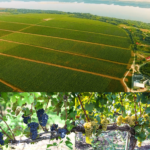
White and sparkling wines dominate this region and while there is some red produced, the white wines steal the show. Vineyards are situated in the plains beneath the Vosges Mountains and into the foothills. The higher elevation sites are often reserved for Grand Cru and produce the wines of the highest quality, however there are many great wines to be found throughout the entire region.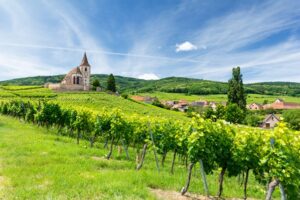
Plantings are led by Pinot Blanc (although the majority goes into making Crémant), Riesling, Gewürztraminer and Pinot Gris. However, Riesling, Gewürztraminer, Pinot Gris and Muscat are classed as the four ‘Noble’ grapes, and are the varieties permitted to be used in Grand Cru wines and Vendange Tardive and Selection de grain nobles.
Key labelling terms:
AOC Alsace
Wines must come from the delimited area of Alsace and follow the region’s winemaking requirements, these are often single varieties (which are on the label), wines can be blends which are often called Edelzwicker.
Wines can now have Commune or Lieu-dit on the label, indicating the wine is from that specific area. Communes have slightly stricter production rules that must be followed and lieu-dit are reflective of their terroir.
Grand Cru
There are 51 Grand Crus which were introduced to the appellation in 1975, they are made from the four noble grapes and are single varietals.
There are three exceptions to this rule: Altenberg de Bergheim and Kaefferkopf allow blending of varieties and Zotzenberg wines can be made with single varietal Sylvaner.
Each of the Grand Crus must follow a set of guidelines on how they produce their wines, these are stricter than the AOC rules with smaller yields etc.
Vendage Tardive
‘Late harvest’, these wines must reach a specified level of sugar in the wine before fermentation. The sugar levels vary slightly for the four noble grapes, they achieve this by delaying when they harvest the grapes. The grapes don’t have to be affected by Noble Rot to be  classified as Vendage Tardive.
Selection de Grain Nobles
These are wines made from grapes that have been affected by noble rot (botrytis), so are sweet and luscious dessert wines.
Key Styles:
Riesling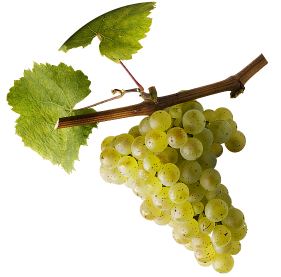
Most people know Alsace for its dry aromatic Rieslings, they are steely with high acid, with distinct lemon and apple characters.
Gewürztraminer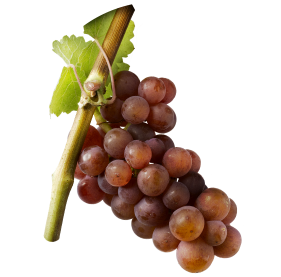
Gewürztraminer comes in a range of styles and a range of sweetness, it is often characterised with its floral ripe palate. Expect rose and lychee with some stone fruit characters.
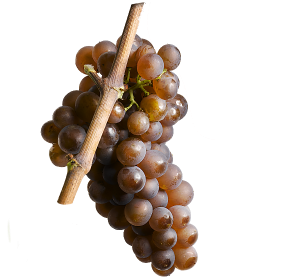
Pinot Gris
Same grape as Pinot Grigio but completely different style, more aromatic with smoky notes and a richer, creamier palate. Often with notes of honey and apricot, with great body and texture.
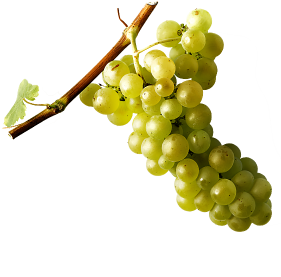
Muscat
Muscat is an overarching term for several grape varieties, Muscat à Petit Grains is the most commonly planted in Alsace with small amounts of Muscat Ottonel. Muscat wines are known for their distinct ‘grapey’ character. These wines are fresh, dry and crisp, making great aperitifs.