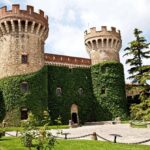




written by team member Ashley
“The Future is indigenous” – Stefano Girelli
On 2nd June I flew to the island of Sicily with one of our suppliers to visit the Santa Tresa and Cortese Winery to get a feel for their operation and passion. On the day I arrived, Mount Etna (the most active volcano in Europe) had erupted, luckily this didn’t impede too much on the itinerary.
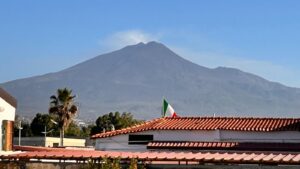
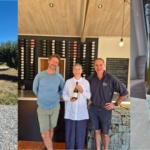
We arrived in the evening, and were greeted by the owner Stefano Girelli, who acquired Santa Tresa in 2001. Stefano gave us an introduction to the company, how it started and where they’re going, as well as an overview of the next couple of days. The rest of the evening was spent pairing his wines with food, in particular the Santa Tresa Frappato was delicious with a parmesan and 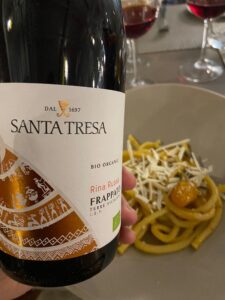 cherry tomato spaghetti dish (simple and effective).
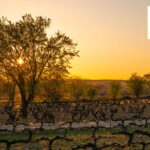
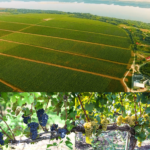
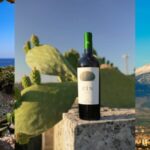
The first full day started with a commute to the Southern part of the Island, being only 15km from the sea and where the warm Mediterranean influence was strong. We visited the vineyards where Stefano and winemaker Mattia Giacomelli showed us the distinct terra-rossa soils and the organic practices they put in place for all their vines. International varieties such as Cabernet Sauvignon and Chardonnay have all been removed (minus the Viognier grape) in favour of indigenous varieties such as Frappato, Grillo, Nero d’Avola and Orisi. The grape variety known as Orisi was found growing in the wild within a forest near Mount Etna and was nearly extinct; this is the only winery that creates wine from this particular grape.
After tasting through the range of wines, the notable ones were: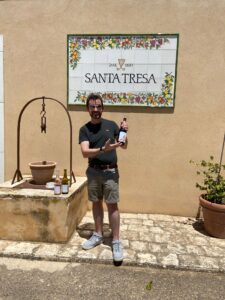
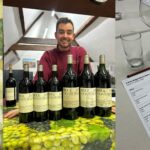
Rina Ianca Grillo Viognier 2024 – a crisp, citrussy and zesty white with lots of mineral mouthfeel and floral finish.
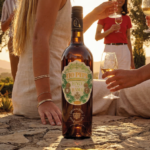
Rosa di Santa Tresa Rosé 2024 – a blend of Frappato and Nero d’Avola creating a refreshingly dry Rosé with delicate strawberry and rose petal characteristics.
Cerasuolo di Vittoria 2022 – another blend of Frappato and Nero d’Avola but this time as a red wine. It’s plummy, and spicy and frankly if you like Rhone wines you’ll love this!
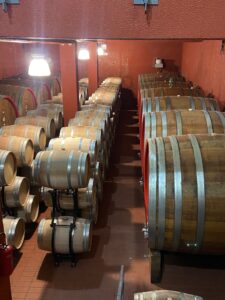
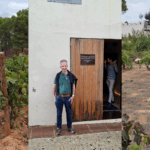
We travelled to Agricola Cortese for the second part of the day, the vineyards and winery were purchased by Stefano in 2016. A lot of re-investment was done to the vineyards, which had seen many years of neglect, but is now seeing the benefit. In the winery there are experimentations with clay amphora and interestingly barrel rollers which help move the barrel side to side, helping to increase the interaction of the lees (dead yeast cells) in the wine. During the tasting we tried the increasingly popular Nerello Mascalese grape, a light bodied, juicy and soft tannin wine with some black plum spice to it (Nerello means ‘light red’ and Mascalese refers to a village on the left side of Mount Etna). Cortese have also been producing an Orange wine called ‘Orange-Utan Bianco’, a particular style that is not popular 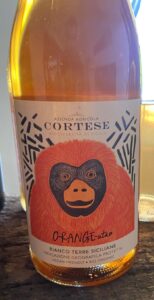 in our corner of the UK but it is gaining traction – this wine had lovely fresh clementine and floral characteristics and finish citrussy… most importantly NOT funky!
Afterwards we had some “downtime” to explore the historic town of Ragusa Ibla with its picturesque environment and breathtaking views of the countryside, a town I would very much like to re-visit. The evening was spent at I Banchi seafood restaurant where we paired many of the wines tried that day with a series of fish courses… these wines are phenomenal with fish – “Drink what the locals drink and eat what the locals eat and you shall not go wrong!”
This was my first trip out to Sicily but one of many to Italy’s different wine making regions; the diversity in winemaking, culture and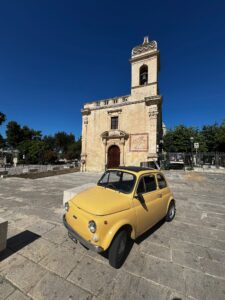 environment is vast across the country.
If you would like to find out more about pricing and/or placing any pre-orders then please contact: [email protected] and mark FAO Ashley.